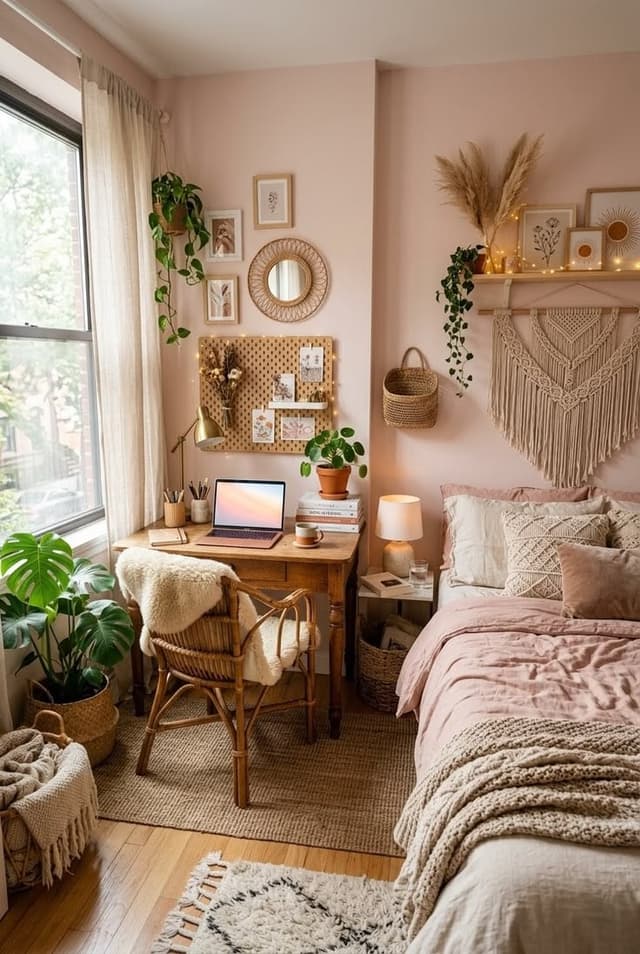
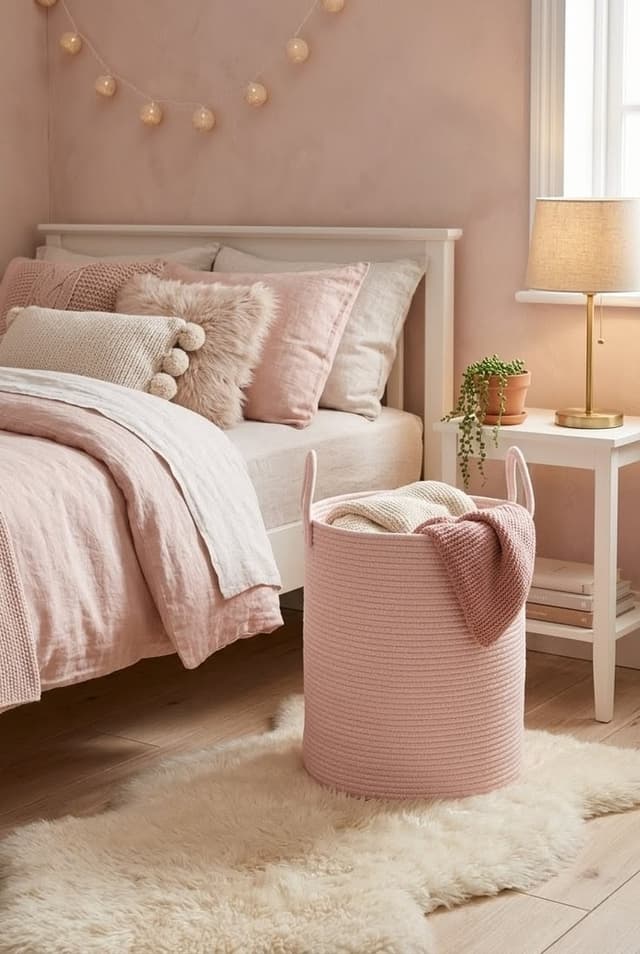
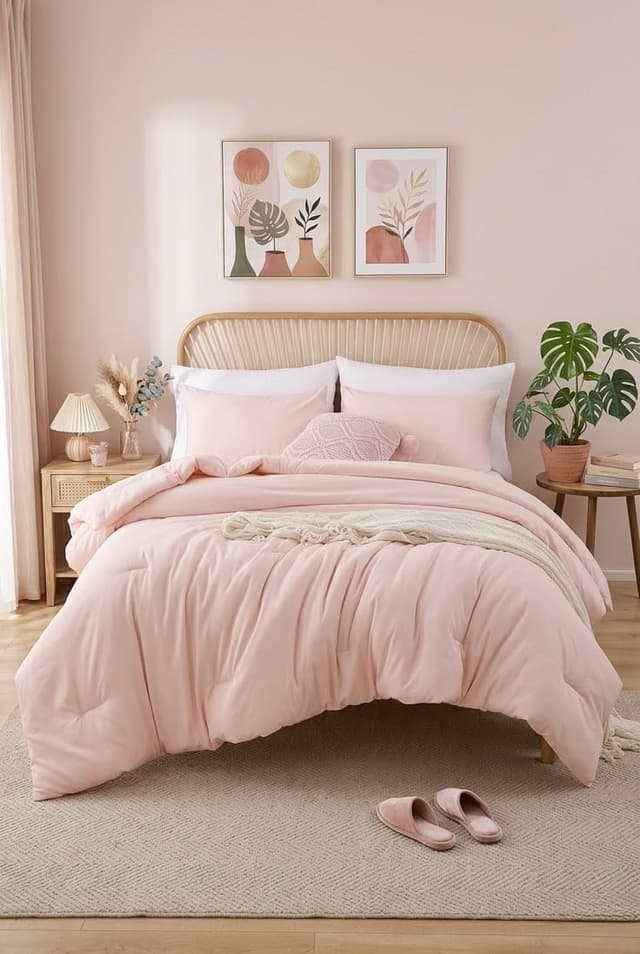
5 Cozy Japandi Bedrooms
Japandi gets misrepresented a lot. Most mood boards make it look like nobody actually lives in the room — bare walls, a single linen pillow, a twig in a vase. That version exists, but it's not the whole picture. When it works, Japandi bedrooms feel genuinely restful. Quiet without being empty. Minimal without being cold. The trick is understanding what the style is actually trying to do, which is create calm through restraint, not through erasure. These five ideas lean into the livable version of that.
1. A Low Platform Bed With Warm Wood Tones
The bed is the obvious starting point. In Japandi bedrooms, low platform frames work better than tall ones — they make the room feel grounded rather than top-heavy. What matters more than the height is the wood. Pale ash or oak reads Scandinavian. Darker walnut pulls toward Japanese aesthetics. Either works, but the warmer the wood tone, the less clinical the room feels. If you're worried about the floor feeling too bare once you go low, a flat-weave or wool rug under the bed sorts that out quickly.
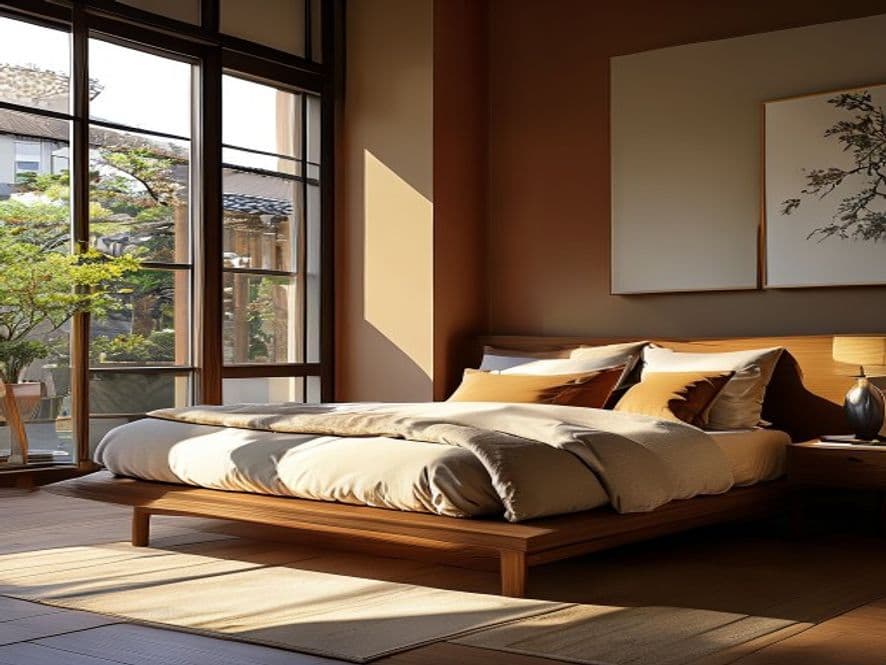
Bedding should stay in the muted range — oatmeal, warm white, sage, dusty terracotta. Nothing needs to match exactly. The point is that nothing fights. Linen fabric over cotton batting tends to hold that rumpled-but-intentional look longer, which is exactly what this style needs.
2. One Statement Textile Instead of Many
Most bedroom decor mistakes happen when too many textures compete. In a Japandi room, pick one textile to do the heavy lifting — a chunky knit throw at the foot of the bed, a handwoven cushion, or a tatami-style floor mat. Then let everything else be flat and plain. It sounds like a lot of restraint, but the result is that the one thing you chose actually gets noticed. It stops being background noise and becomes something you actually see.
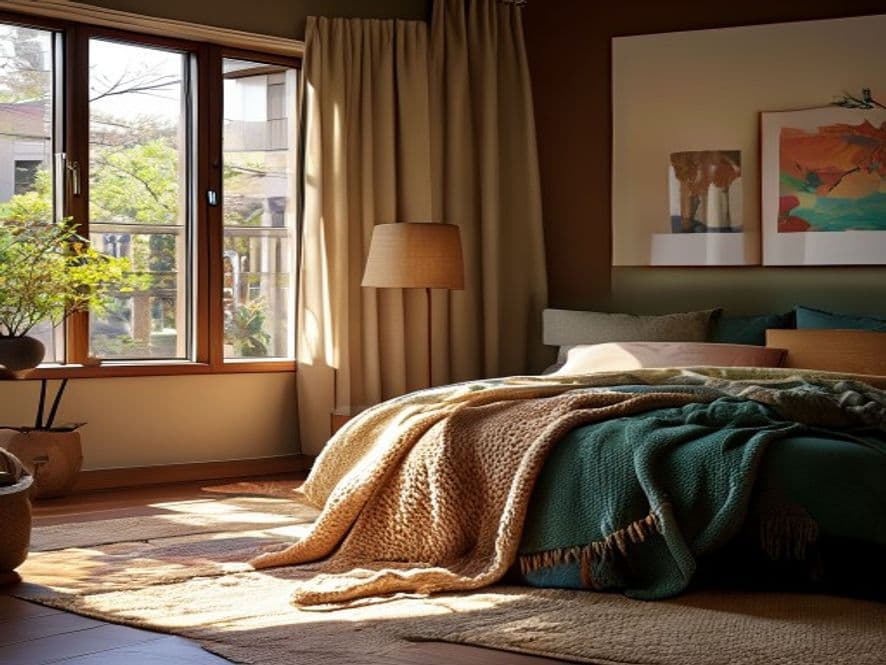
Good options that hold up in this context: boucle cushion covers, muted ikat or sashiko-inspired prints, wool throws in a single color. Stay away from anything with an obvious pattern repeat — it pulls the eye around too much and undoes the calm you're trying to build.
The goal isn't a bedroom that looks like a hotel. It's a bedroom that feels like an exhale.
3. Functional Shelving That Doubles as Decor
Japandi borrows heavily from the Japanese concept of wabi-sabi — the idea that objects in use have their own kind of beauty. That translates well to open shelving. A simple floating shelf with a few books, a ceramic bowl, and a small plant does more visual work than a bare wall, but only if you resist the urge to fill every inch of it. Negative space on a shelf isn't wasted space. It's what stops the shelf from looking like clutter.
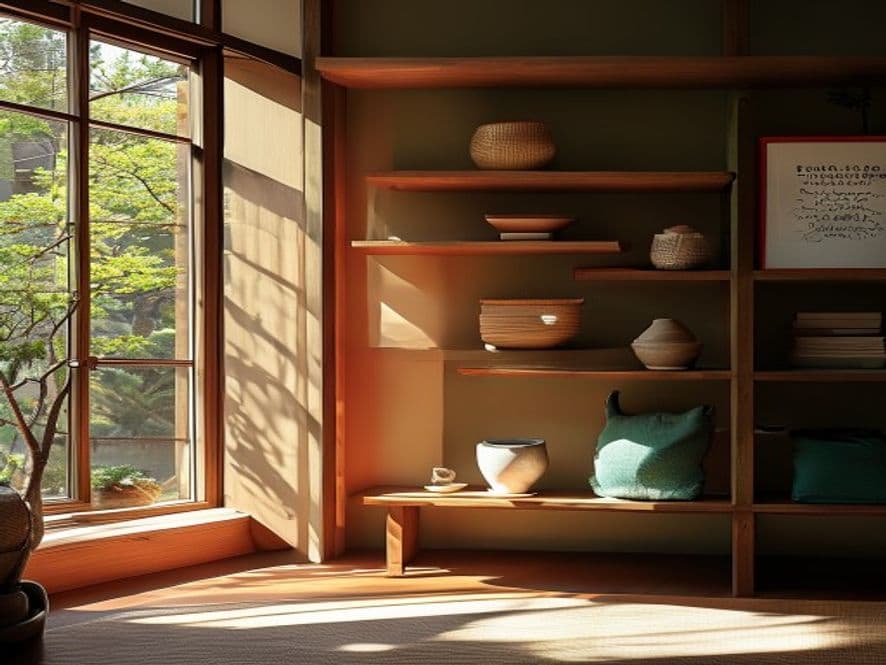
Material-wise, walnut or bamboo shelves tend to sit better in this aesthetic than pine or MDF with a white finish. If you already have painted shelving, that's fine — just be deliberate about what you put on them and leave some breathing room between objects.
4. Natural Light and Sheer Panels Instead of Heavy Curtains
Heavy drapes can work in a Japandi bedroom if they're linen in a muted color, but sheer panels are an easier call. They let morning light filter through without exposing the whole room, which is the exact balance this style is after. Rice paper blinds or washi-style roller shades are another option — they diffuse light in a way that feels particularly right for this aesthetic.
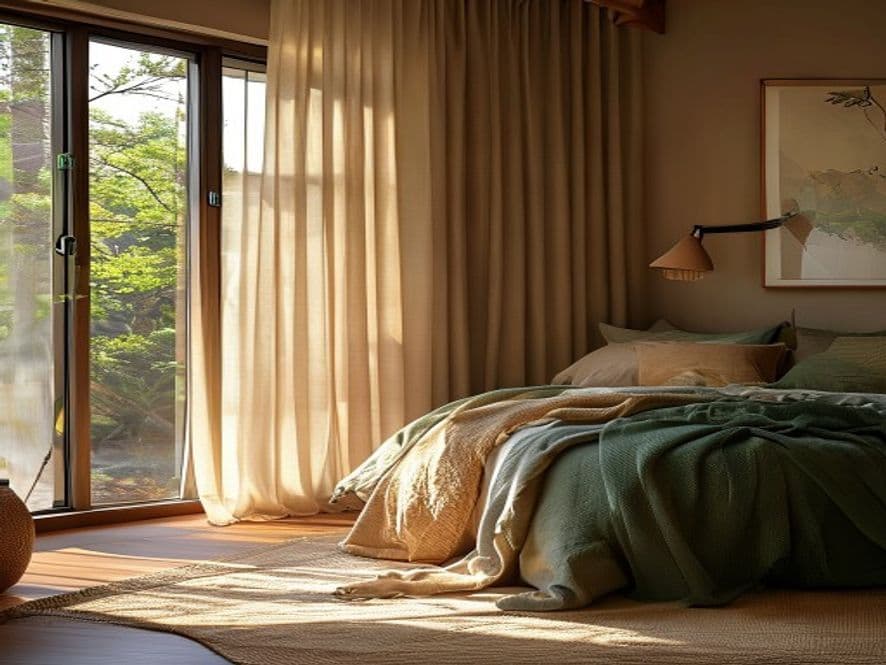
The reason light matters this much is that Japandi palettes are deliberately low-contrast. Without enough natural light, muted greens and warm grays can look muddy and flat. Good light is what makes them look considered instead.
5. Plants — But Not Too Many
This one has a limit. One or two plants in a Japandi bedroom is appropriate. Seven plants with trailing vines and a full shelf of propagation jars is a different aesthetic entirely (and a fine one, just not this one). The goal here is a single considered plant — something with a clean shape, like a snake plant, a small monstera, or a bonsai if you're up for the maintenance.
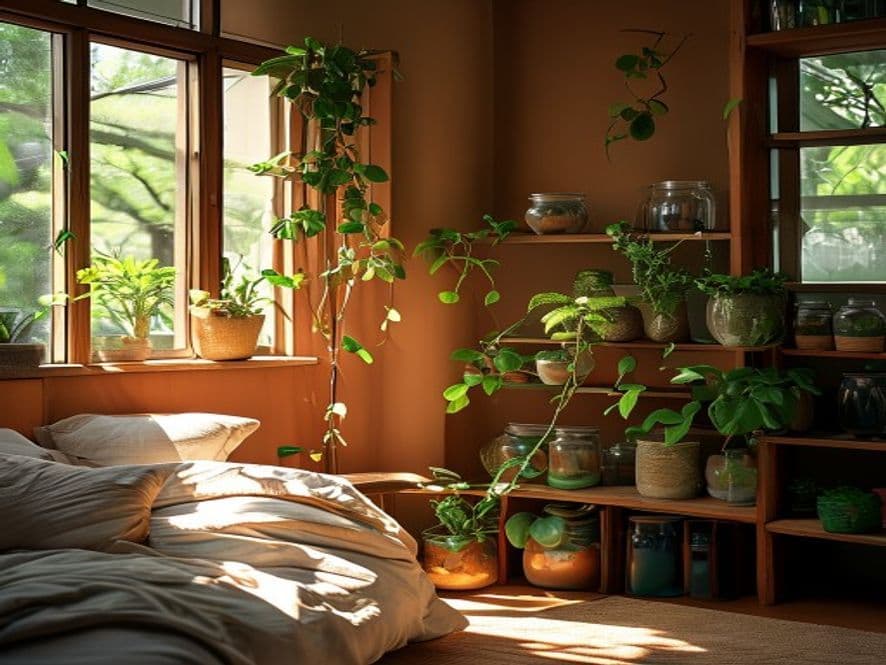
Ceramic pots work better than plastic or terracotta in this context. A simple matte glaze in white, charcoal, or earth tones keeps the plant feeling like part of the room rather than an afterthought. If you have a spare corner that feels off, a floor-level plant in a flat ceramic pot often fixes it without adding visual noise.
Japandi doesn't ask you to own less. It asks you to put away more.
The version of Japandi that actually works in a real bedroom isn't about perfection or minimalism for its own sake. It's about editing down to what you actually want to look at, and making those things count. Start with the bed frame and the bedding, and work outward from there. Most people find the rest falls into place once those two decisions are made.