7 Afrohemian Boho Living Rooms
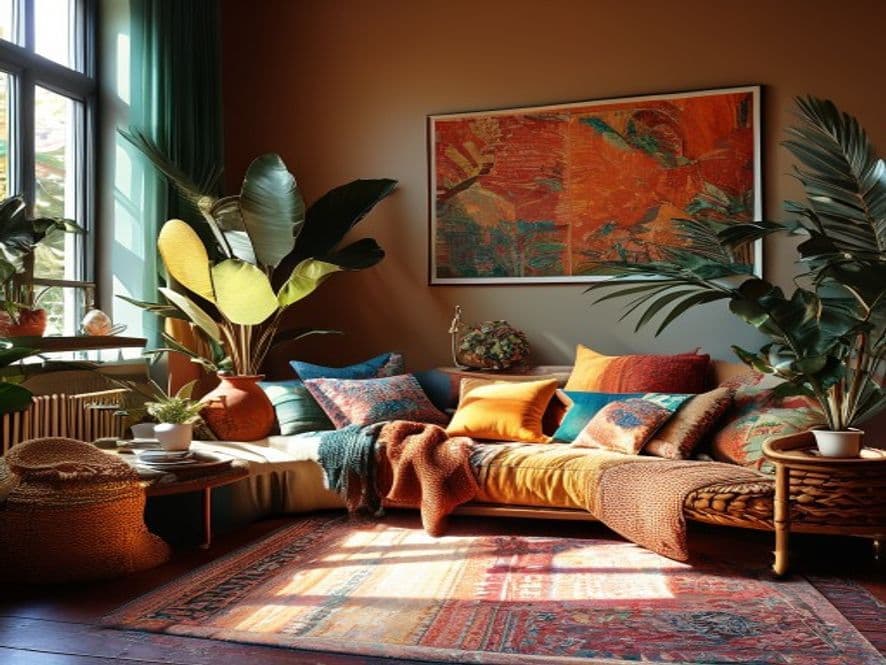
Afrohemian is a style that's worth understanding properly before trying to recreate it, because it's easy to get wrong. It's not just 'boho with kente prints.' The aesthetic draws from a genuine tradition of layering African textiles, wood carvings, natural materials, and bold pattern-mixing in ways that feel personal and rooted rather than curated. When it works in a living room, the space feels full of history without feeling cluttered. The seven ideas below try to get at what makes it work — and what to avoid.
1. Mudcloth as a Foundation Textile
Mudcloth — or bogolanfini, originally from Mali — is one of the most recognizable textiles in this aesthetic. The geometric patterns and earthy palette (cream, black, brown) work well as a throw, a pillow cover, or even as a wall hanging. It has enough visual weight to anchor a seating arrangement without overwhelming the rest of the room.
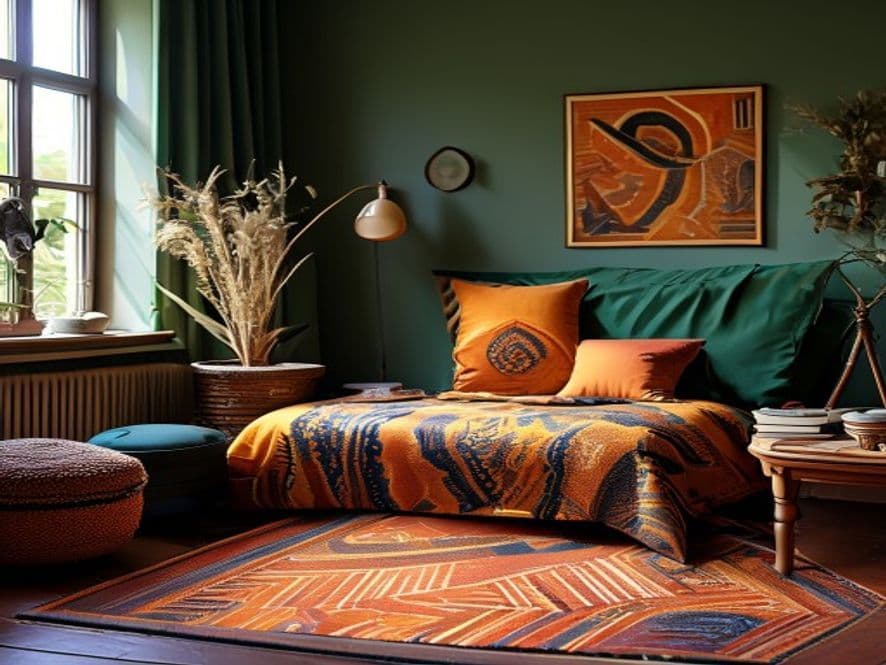
What makes it versatile is that the traditional colorway is neutral enough to sit alongside almost anything. A mudcloth throw on a worn leather sofa, a rattan chair, or even an IKEA couch reads the same. The textile is doing the work, not the furniture. If you're sourcing it, look for pieces that describe the weaving region and process — there's a lot of mass-produced printed imitation on the market, and it tends to look flat compared to the real thing.
2. Layered Rugs With Different Textures
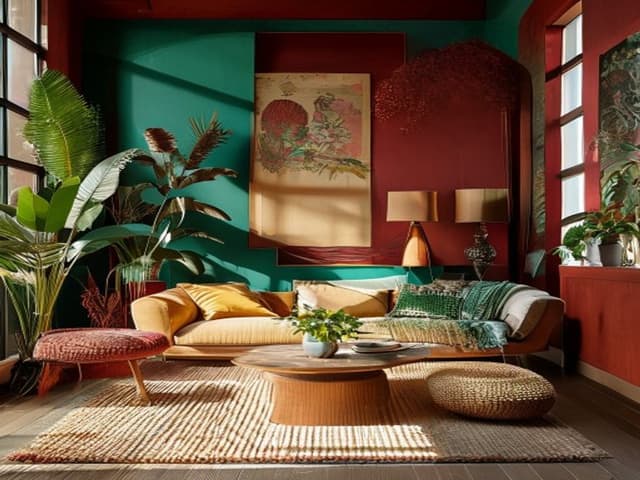
Layering rugs is one of the more straightforward ways to add depth to a living room, and it fits particularly well in an Afrohemian space because the style already embraces mixing patterns. A flat-weave African print under a smaller jute or sisal rug reads well. So does a bold kente-inspired geometric under a natural fiber piece. The key is that at least one layer should have high texture contrast — a shaggy or looped weave against something flat stops it from looking like an accident.
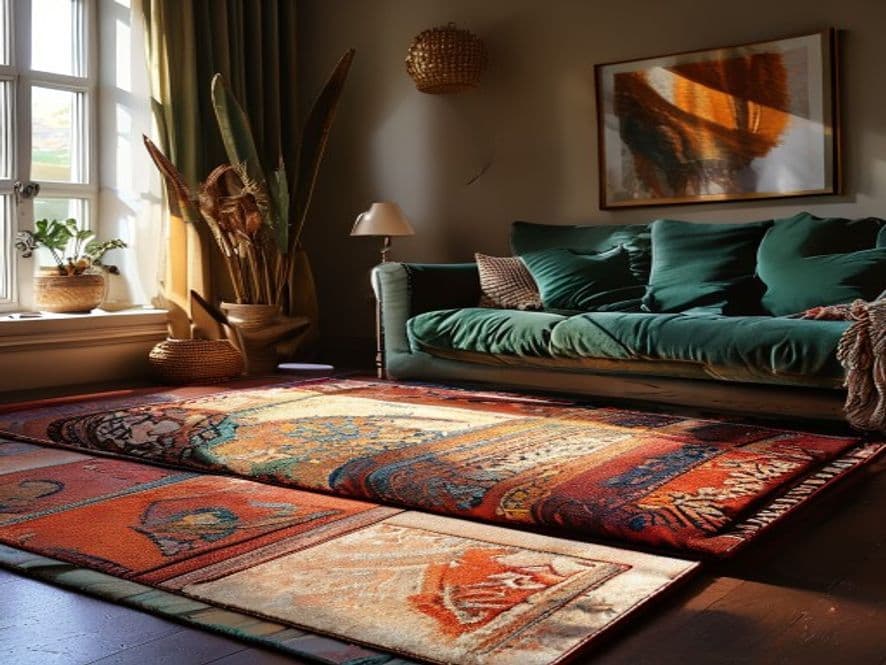
Scale matters too. The bottom rug needs to be large enough to anchor the seating area properly. A rug that's too small makes the whole layered look feel tentative. Go bigger than you think you need on the base layer, then let the top layer be smaller and more pattern-forward.
Good layering looks intentional. Great layering looks like it always lived there.
3. Carved Wood Accents and Stools
Wood carving is a significant part of many African craft traditions, and incorporating carved pieces is one of the more meaningful ways to bring Afrocentric influence into a space. Ashanti stools from Ghana are a classic choice — they function as side tables, plant stands, or sculpture depending on what you need. Dogon-inspired carved figures, hand-carved bowls, or wooden masks also work if they're placed thoughtfully rather than arranged like a display case.
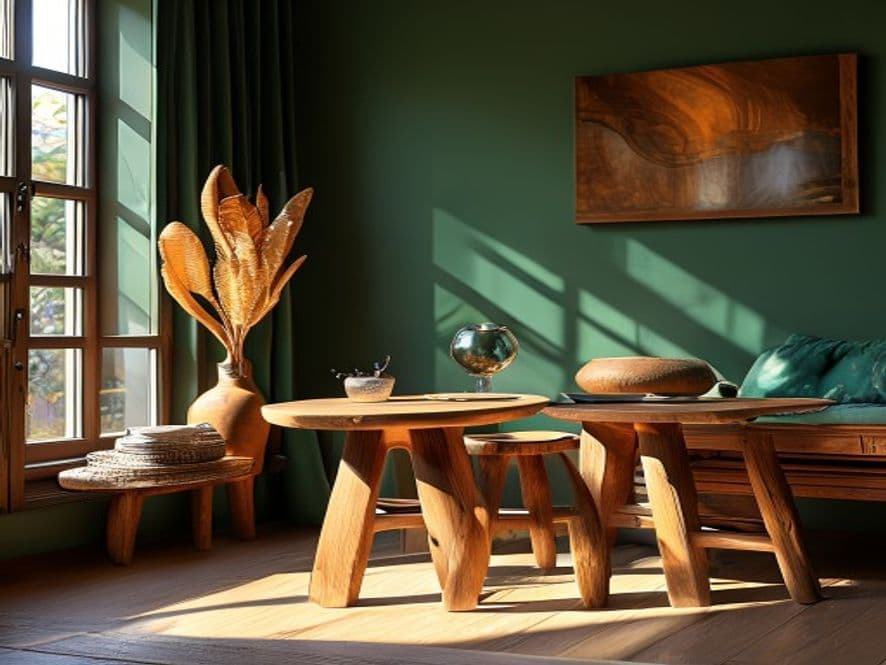
The distinction here is between using these objects as part of a living space versus turning them into props. Putting a carved stool under a lamp and actually using it feels different from lining up three decorative pieces on a shelf for 'visual interest.' The former feels like a home. The latter feels like a store display.
4. A Gallery Wall That Mixes Photography With Pattern
An Afrohemian gallery wall works best when it's not too tidy. Mix framed photography — particularly portraiture or landscape work by African photographers — with smaller woven or printed textile pieces, mirrors with carved frames, and maybe one or two prints. The frames don't need to match. In fact, a mix of natural wood, black metal, and woven fiber frames tends to look more considered than a matched set.
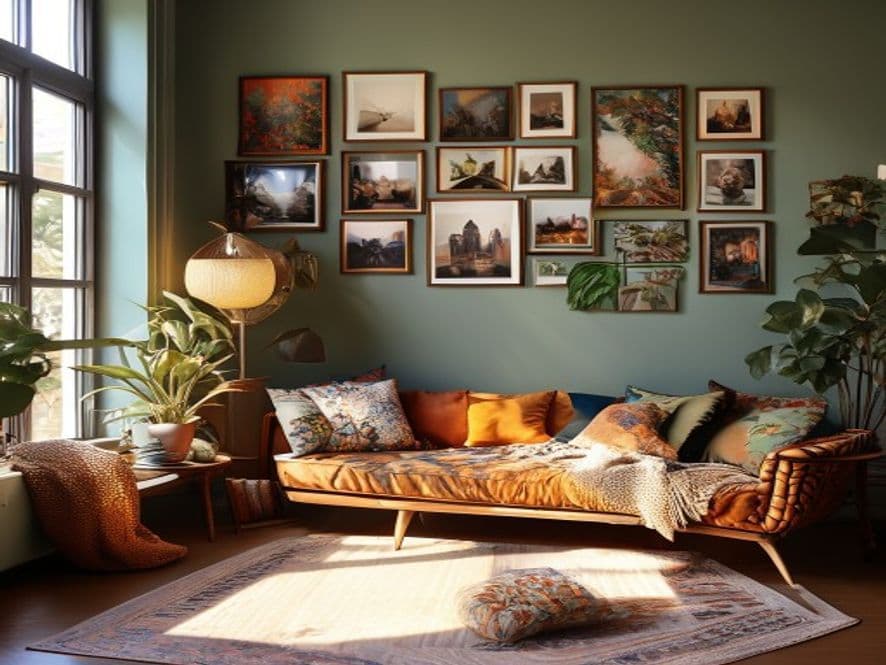
Leave space between pieces. The temptation when building a gallery wall is to fill every inch, but breathing room between frames keeps the eye moving without making the wall feel chaotic. Start from the center and work outward, and get the layout right on the floor before committing anything to the wall.
5. Rattan and Wicker Seating Mixed With Upholstered Pieces
Rattan and wicker show up across many equatorial design traditions, and they slot naturally into an Afrohemian living room. A rattan accent chair next to a low upholstered sofa gives you the texture contrast the style needs without introducing anything that competes visually with the bolder textiles. Natural fiber furniture tends to look better slightly worn-in than it does new, which is useful.
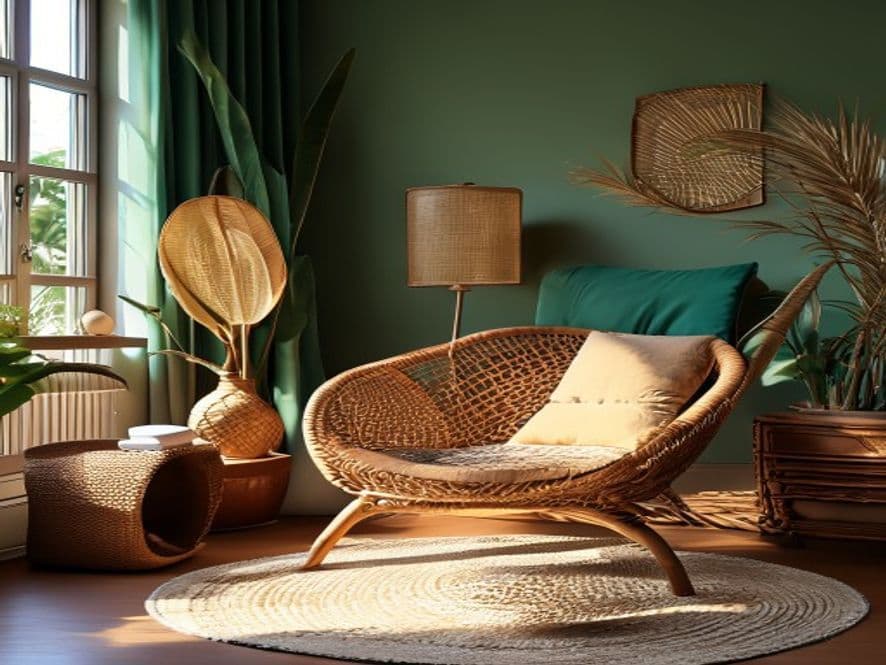
If you're mixing furniture pieces, keep the silhouettes simple. The textiles and accents are carrying a lot of visual weight already. Low-profile furniture with clean lines keeps the room from getting claustrophobic.
6. Deep Earth Tones on the Walls
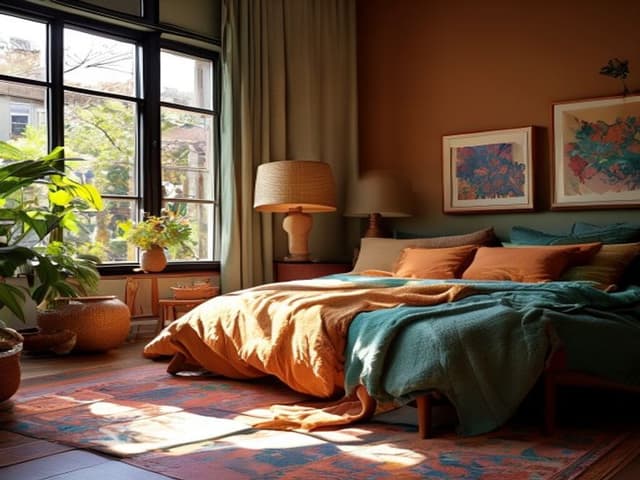
The palette that works best in Afrohemian living rooms sits in the earth tones: terracotta, ochre, deep olive, raw sienna, warm brown. These colors ground the room and make the textile patterns read more clearly than they would against white or gray walls. If a full room in terracotta feels like too much of a commitment, paint one wall and see how the room shifts. Most people who try this don't go back to white.
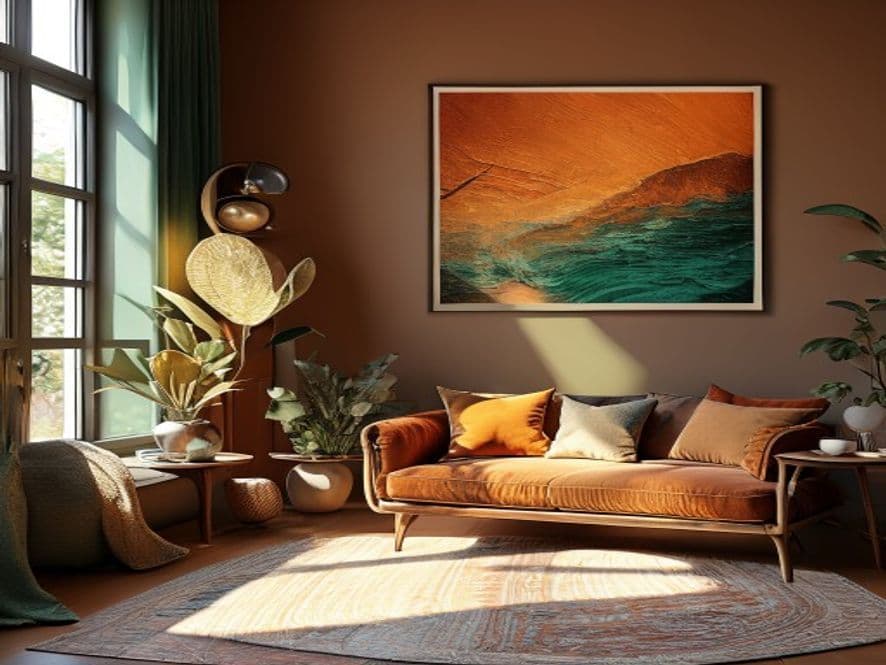
Wall paint also interacts with the light differently than most people expect. Terracotta at noon looks different from terracotta at dusk with warm lamp light — in the evening, it gets richer and almost amber. That's the quality that makes it work for a living room specifically. Plan your lighting before you finalize the wall color.
7. Plants That Actually Belong in the Climate
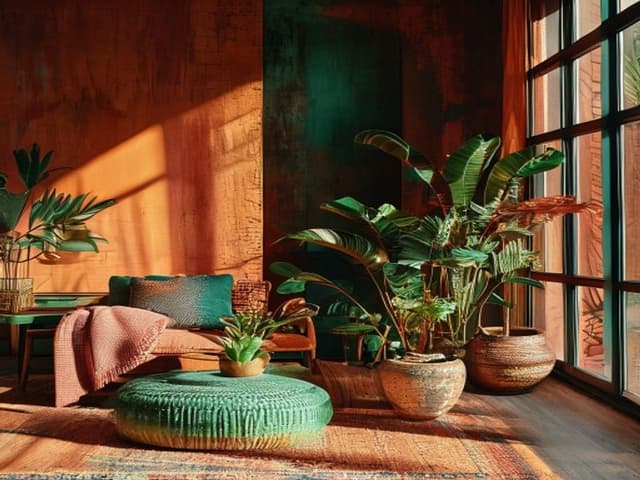
Afrohemian decor gets paired with plants frequently, and it works — but not every plant fits the aesthetic equally. Larger, more architectural species like bird of paradise, fiddle-leaf fig, or elephant ear plants tend to suit this style better than hanging pothos or succulent arrangements. The goal is something that feels a little wild and grown-in rather than groomed.
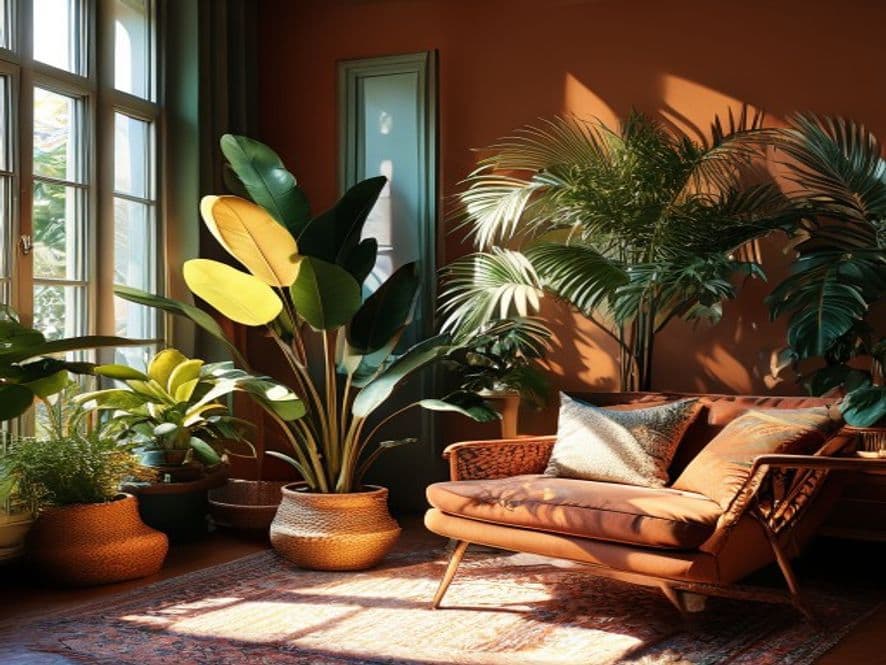
Pots matter here. Woven basket planters, terracotta, and hand-thrown ceramic in earthy glazes fit the palette. The plants should feel like they're part of the room's ecosystem, not accessories added to fill corners. A few large plants placed well will always look better than a dozen small ones scattered around with no clear intention.
Afrohemian is a layered aesthetic, not a checklist. The more it reflects where things actually came from, the better it looks.
Getting Afrohemian right in a living room takes some patience. The temptation is to buy everything at once and arrange it all together, but that's how you end up with a room that looks put-together rather than lived-in. Introduce pieces over time. Let things sit before you decide if they belong. The spaces that do this style best have usually been built slowly.